
German Knife Law 2026 – All Information
In Germany, there is a so-called Weapons Act that regulates which types of weapons are allowed and which are not. Knives play a particularly special role here, as the legal situation is somewhat complicated. Nevertheless, we will explain to you in simple terms which knives you can carry and which you cannot.
Content
- Butterflies / Balisongs
- Daggers
- Gravity knives / Out-the-Front knives (OTF)
- Push daggers
- Fixed-blade knives
- Karambits
- Two-hand opening folding knives
- One-hand opening folding knives
- Kitchen knives
- Machetes
- Multitools
- Neck knives
- Straight razors
- Rescue knives
- Brass knuckles / Knives with knuckle guards
- Switchblades / Automatic knives
- Stilettos
- Throwing knives
1. Butterfly Knives / Balisongs
Acquisition and Possession Prohibited in Germany
In Germany, butterfly knives, also known as balisongs, are illegal. This means that possession, manufacture, import, and sale of these knives are punishable offenses. This legal situation was introduced to ensure public safety. Butterfly knives are considered potentially dangerous weapons by lawmakers, as they can be opened and closed quickly and skillfully. For this reason, they are banned in Germany to prevent possible abuses and reduce the risk of injuries or attacks. The exact legal consequences for violations of the ban can include fines, imprisonment, or both.
- Summary
|
Status: |
Prohibited |
|
Possession Allowed: |
No |
|
Carrying Allowed: |
No |
|
Age Restriction: |
none |
|
Exceptions: |
Blade length under 4,1 cm and blade width under 1 cm, |
2. Daggers
Acquisition and possession allowed in Germany from 18 years
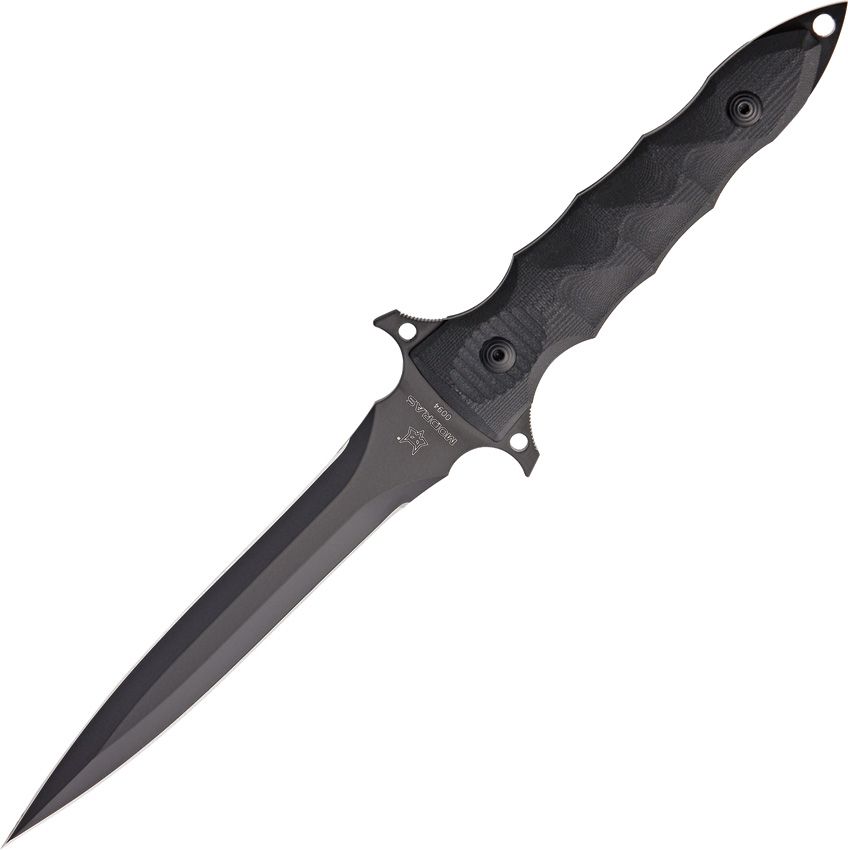
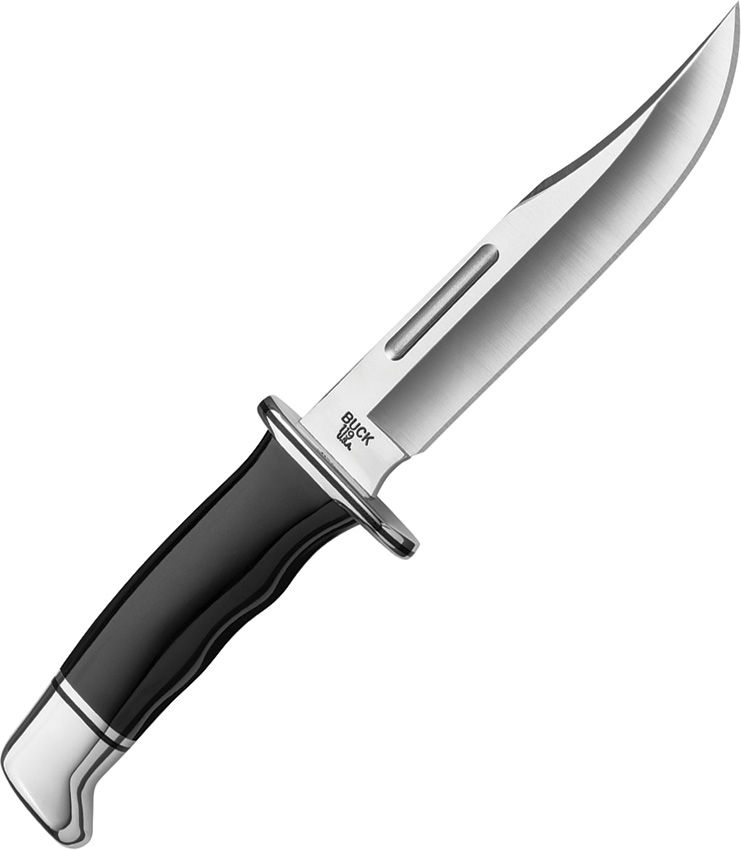
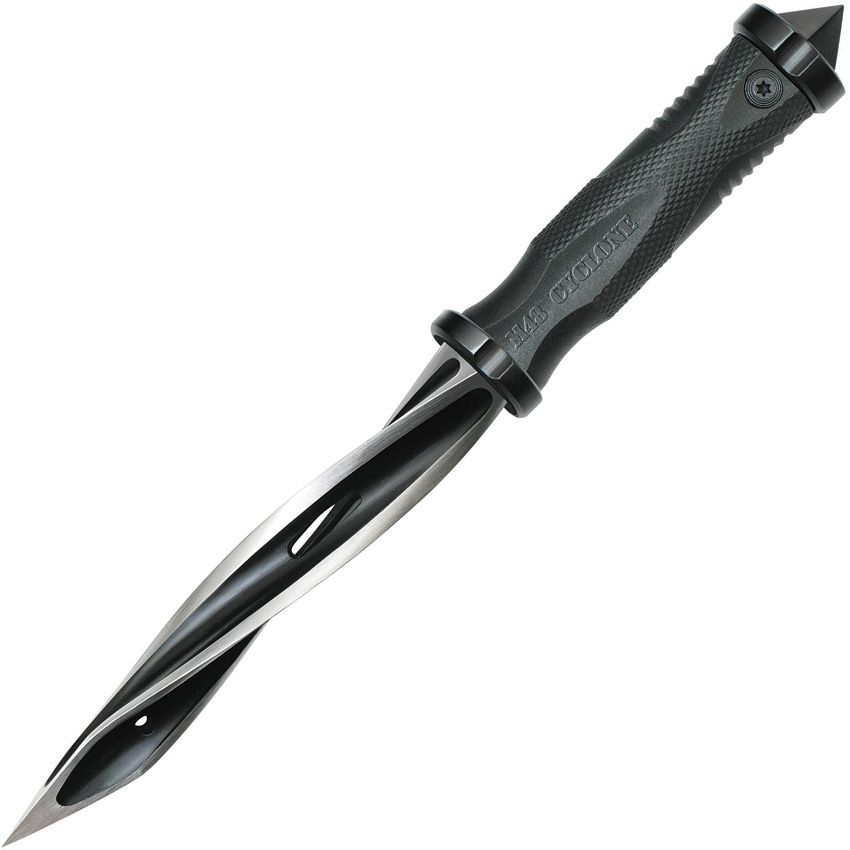
A dagger is a double-edged knife with a symmetrical, pointed blade. Daggers are typically designed to be sharpened on both sides. Their symmetrical shape clearly distinguishes them from knives with a single edge.
Typically, daggers have a straight or slightly curved blade and often feature a pronounced handguard to prevent the hand from slipping onto the blade during thrusting.
In Germany, daggers are not generally prohibited. However, they are classified as cutting and stabbing weapons, which is why acquisition and possession are allowed for individuals aged 18 and over. Carrying daggers in public, on the other hand, is prohibited.
- Summary
|
Status: |
Allowed |
|
Possession Allowed: |
Yes |
|
Carrying Allowed: |
No |
|
Age Restriction: |
from 18 years |
|
Exceptions: |
legitimate interest, transport in a locked container |
3. Switchblades / Out-The-Front knives (OTF)
Acquisition and Possession Prohibited in Germany
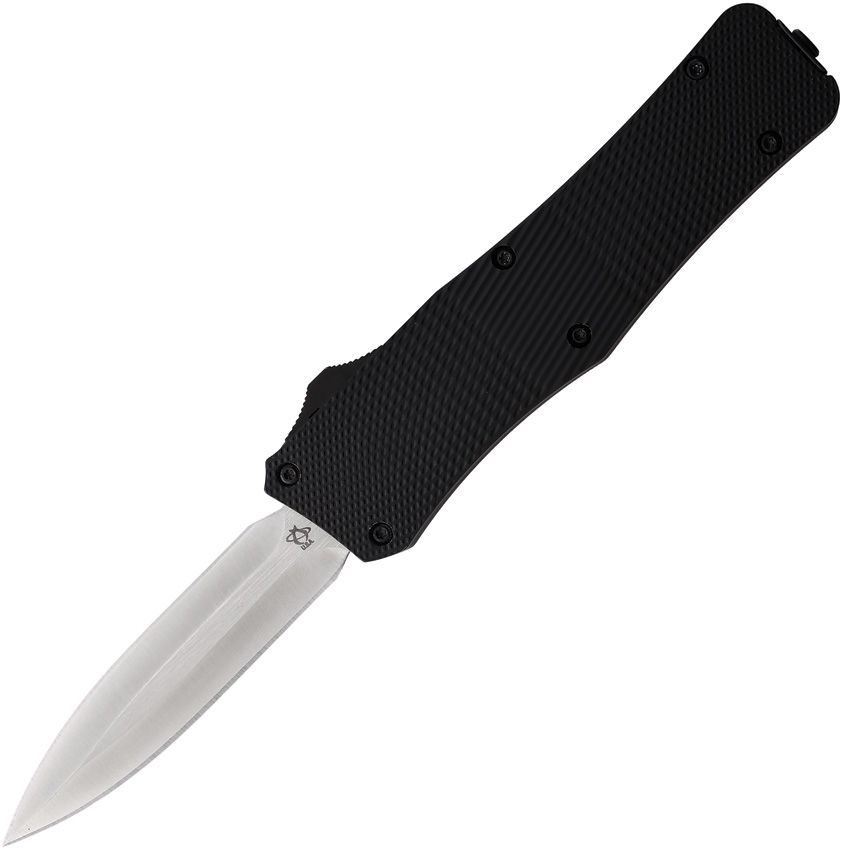
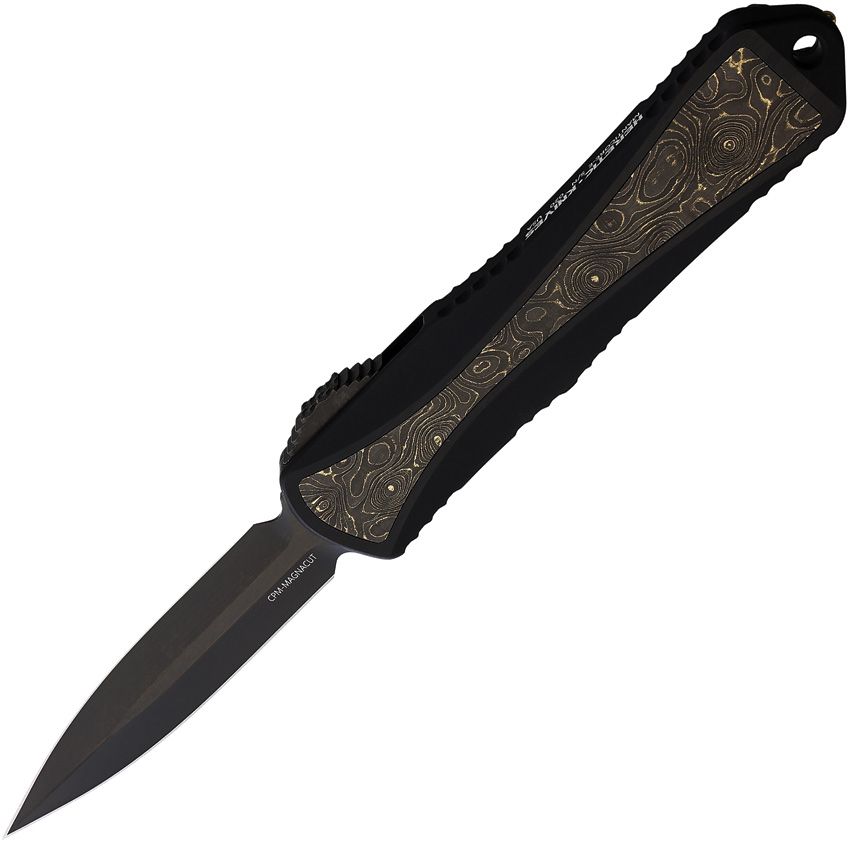
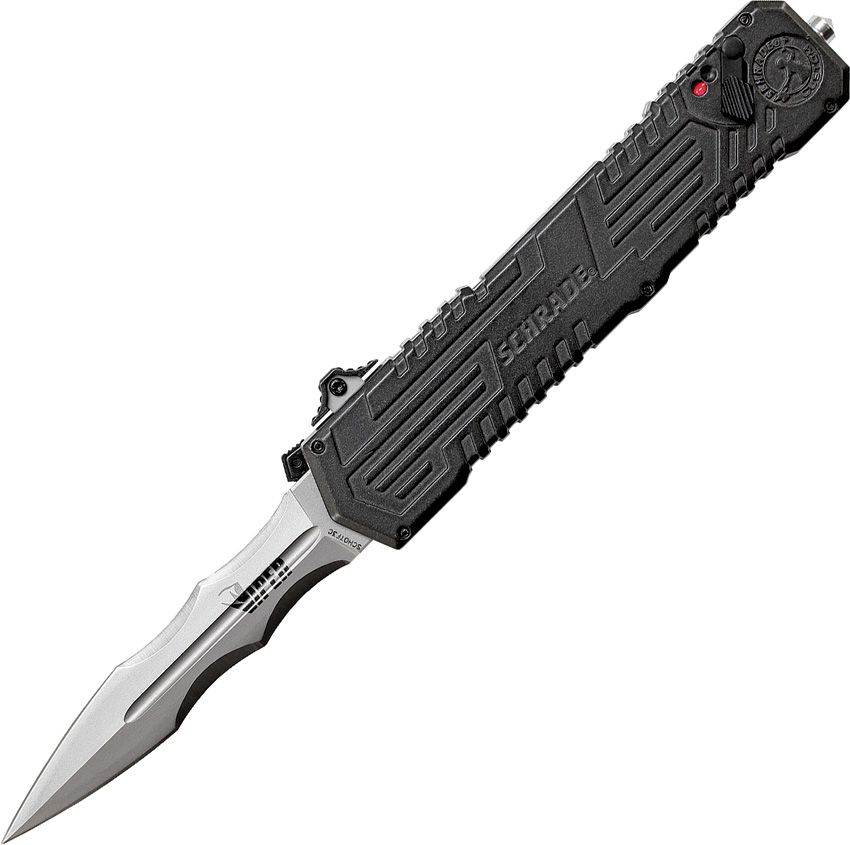
In Germany, switchblades, also known as Out-The-Front knives (OTF), are prohibited items. This means that owning, manufacturing, importing, and selling switchblades is punishable under German weapons law.
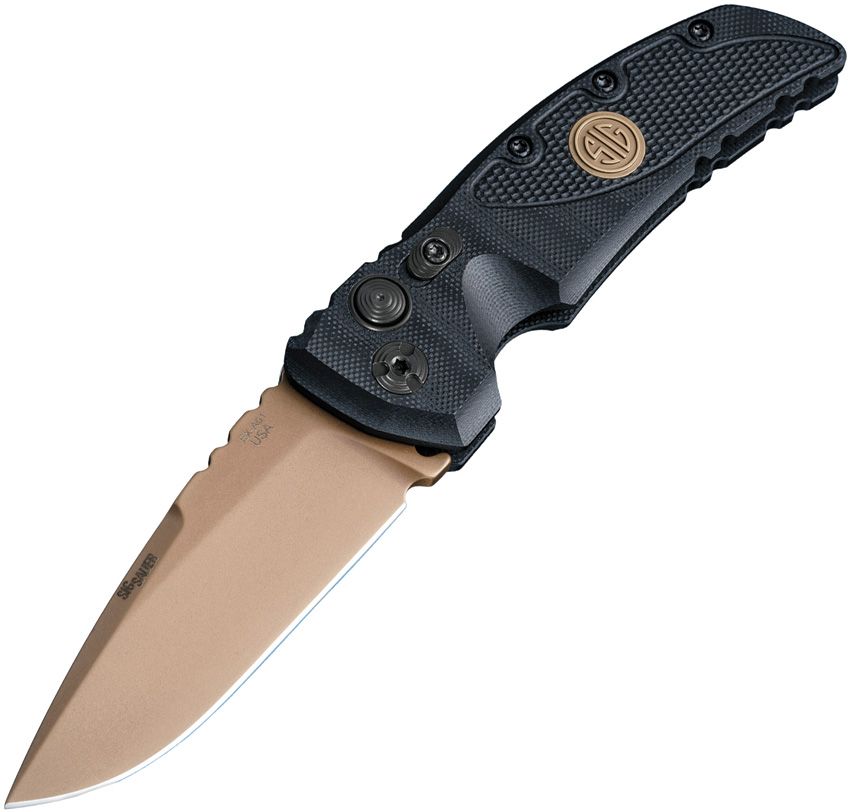
A switchblade is a special type of folding knife where the blade springs out of the handle due to a spring or gravity. This mechanism allows for quick and automatic opening of the blade. There are no exceptions or special regulations for the possession or use of switchblades. Violations of the ban can lead to legal consequences such as fines, imprisonment, or both.
- Summary
|
Status: |
Prohibited |
|
Possession Allowed: |
No |
|
Carrying Allowed: |
No |
|
Age Restriction: |
none |
|
Exceptions: |
Models with corresponding determination notice from the BKA |
4. Knuckle knives / Push daggers
Acquisition and Possession Prohibited in Germany
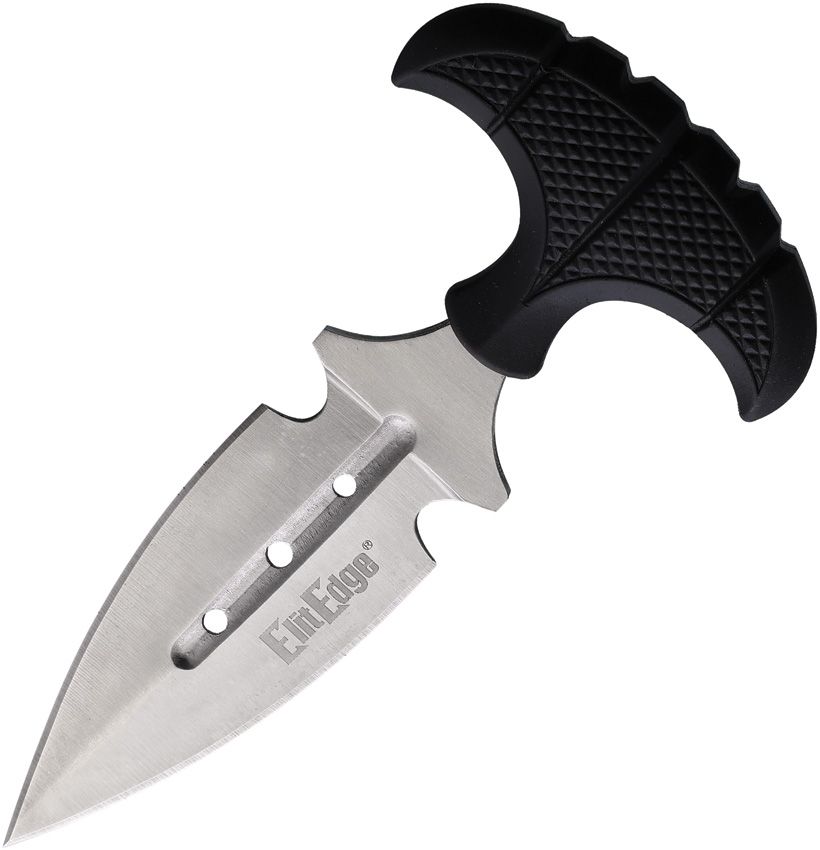
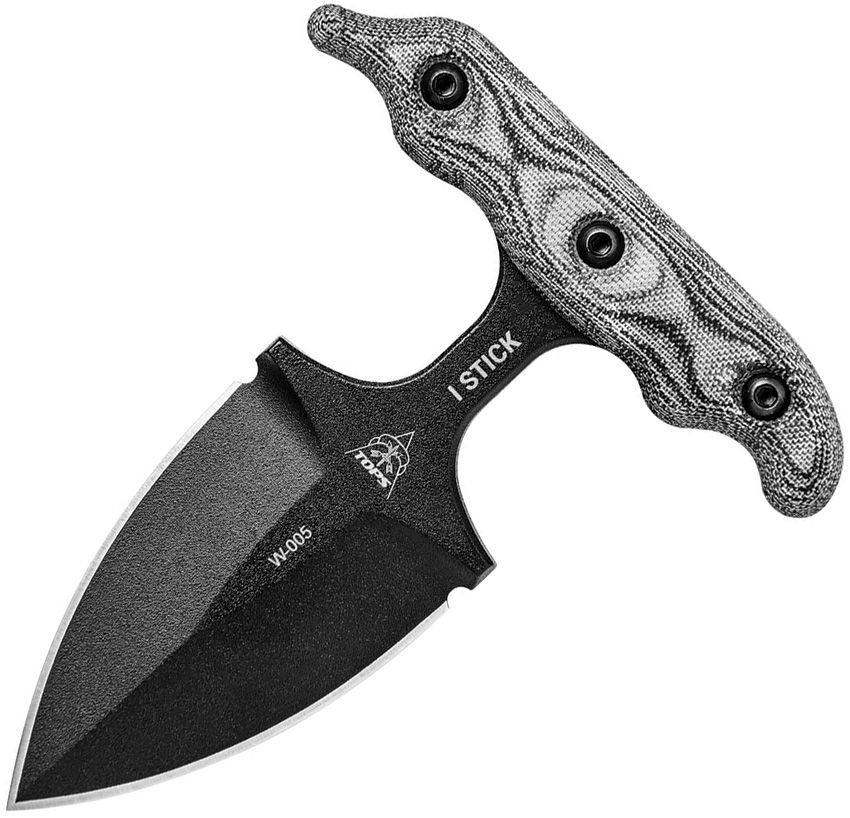
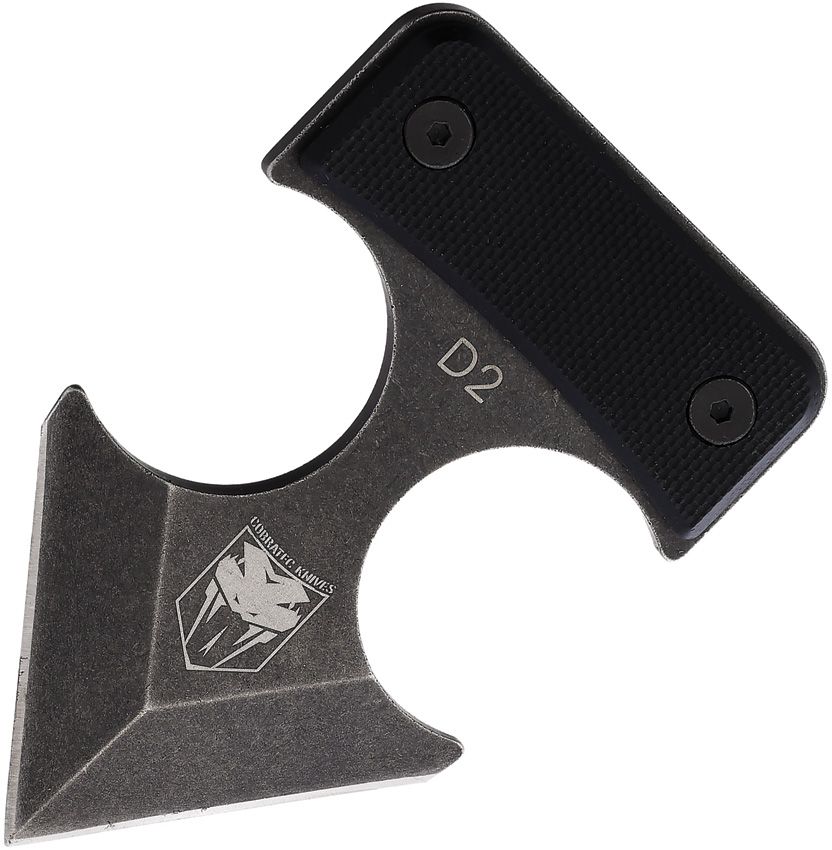
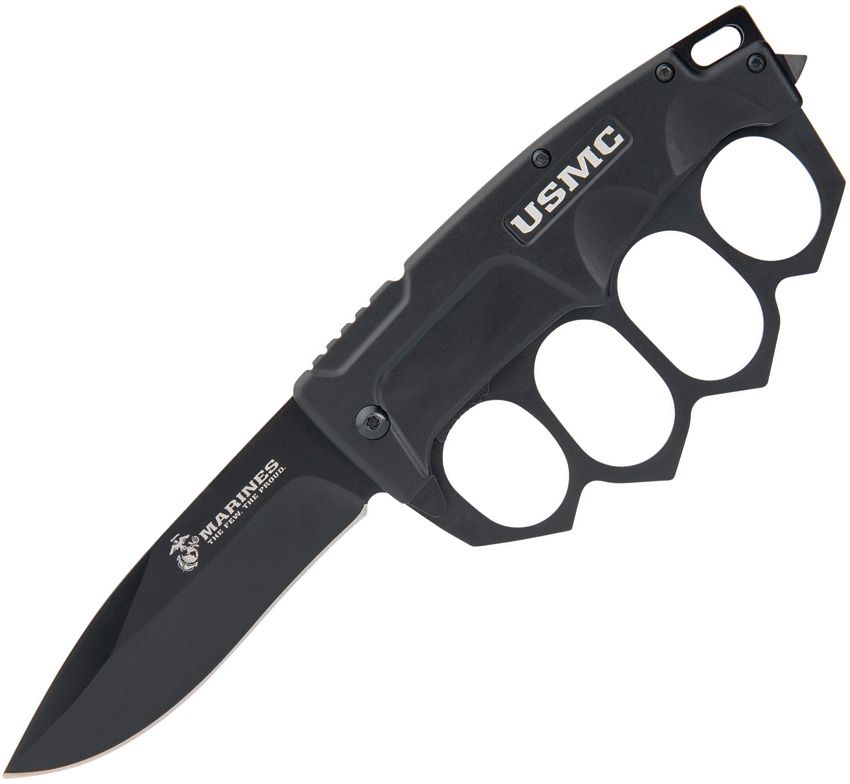
In Germany, knuckle knives are considered prohibited items under German weapons law. Owning, manufacturing, importing, and selling knuckle knives is punishable. A knuckle knife is a special type of knife where the blade is hidden inside a hollow handle. The handle is often designed to resemble a fist, providing the user with a better grip.
Knuckle knives are regarded as particularly dangerous because they can be unexpectedly used due to their concealed design and quick deployment. They can come in various sizes and shapes. An example is the so-called "Push Dagger," where the blade runs parallel to the back of the hand and has a short, pointed shape. There are also knuckle knives with a folding blade that automatically unfolds when the handle is opened.
The ban on knuckle knives in Germany applies regardless of the size or shape of the knife. There is an exception for the possession and use of knuckle knives by hunters as hunting knives or furriers for cutting furs. However, even these professionals are not allowed to carry knuckle knives in public outside of hunting and professional purposes. Violations of the ban can lead to legal consequences such as fines, imprisonment, or both.
- Summary
|
Status: |
Prohibited |
|
Possession Allowed: |
No |
|
Carrying Allowed: |
No |
|
Age Restriction: |
none |
|
Exceptions: |
professional use by hunters and furriers |
5. Fixed-blade knives
Acquisition and possession allowed in Germany
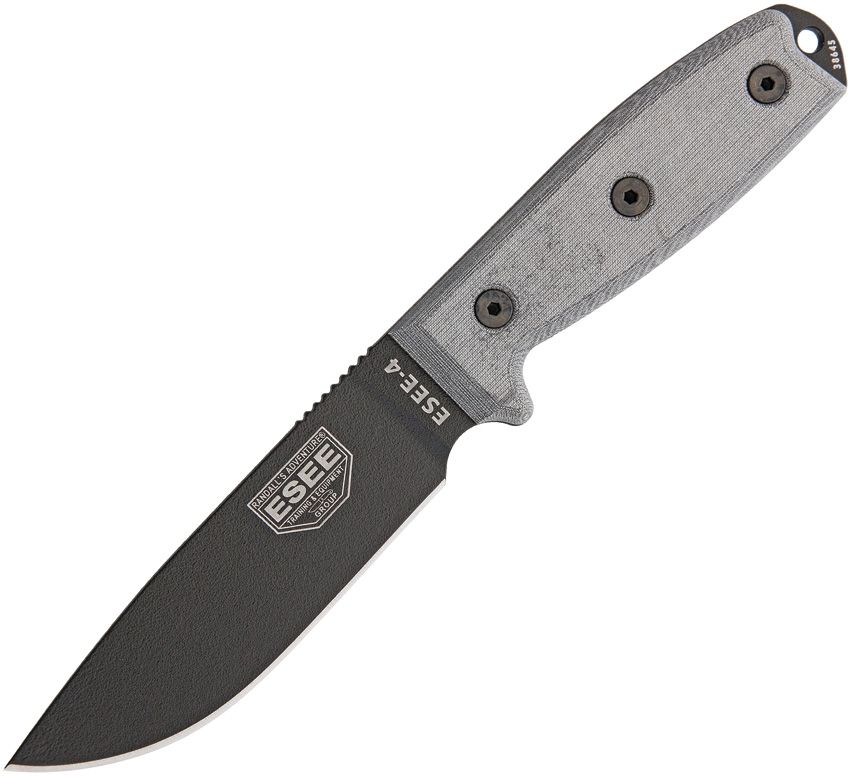
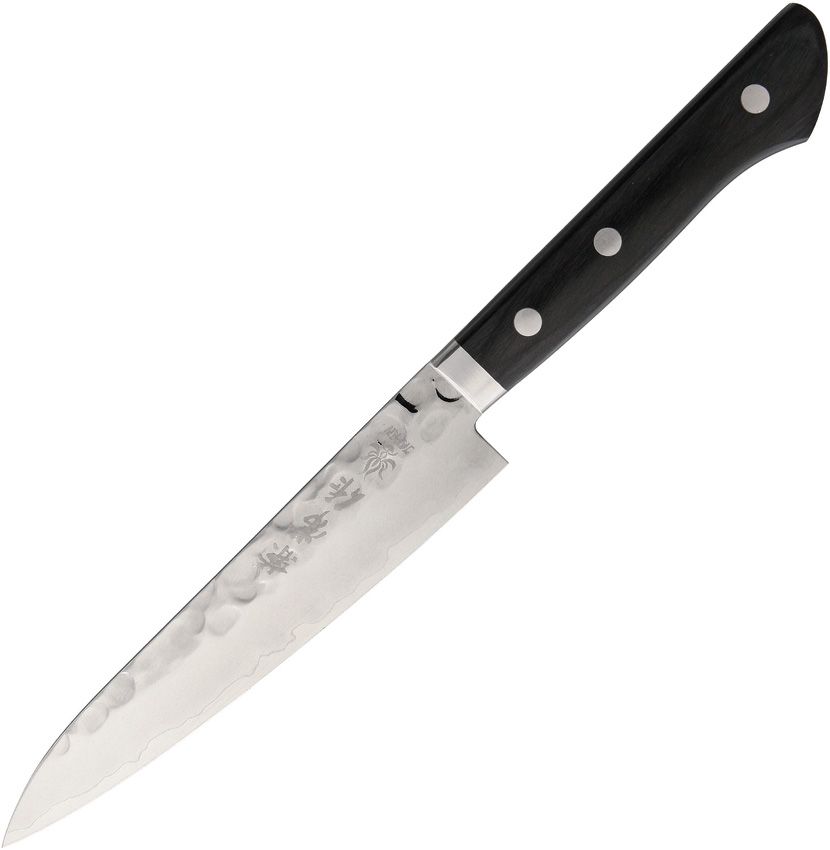
In Germany, there is no general prohibition on fixed-blade knives. However, there are certain legal regulations that must be observed. Fixed-blade knives are knives where the blade is firmly anchored in the handle and cannot be folded or retracted.
The legal classification and permissible carrying of such knives depend on various factors. One crucial factor is the blade length. According to German weapons law, a blade length of more than 12 cm is considered a "prohibited item." This means that carrying such knives in public without a legitimate reason is prohibited.
It is important to note that there are exceptions if there is a legitimate reason for carrying a fixed-blade knife. Examples of legitimate reasons may include professional activities (e.g., hunters or craftsmen), sporting activities (e.g., fishing or camping), or participation in certain events (e.g., historical knife fairs or knife exhibits).
- Summary
|
Status: |
Allowed |
|
Possession Allowed: |
Yes |
|
Carrying Allowed: |
Yes(Blade under 12 cm) |
|
Age Restriction: |
18 years and older (blade over 12 cm) |
|
Exceptions: |
legitimate interest, transport in a locked container |
6. Karambits
Acquisition and possession allowed in Germany
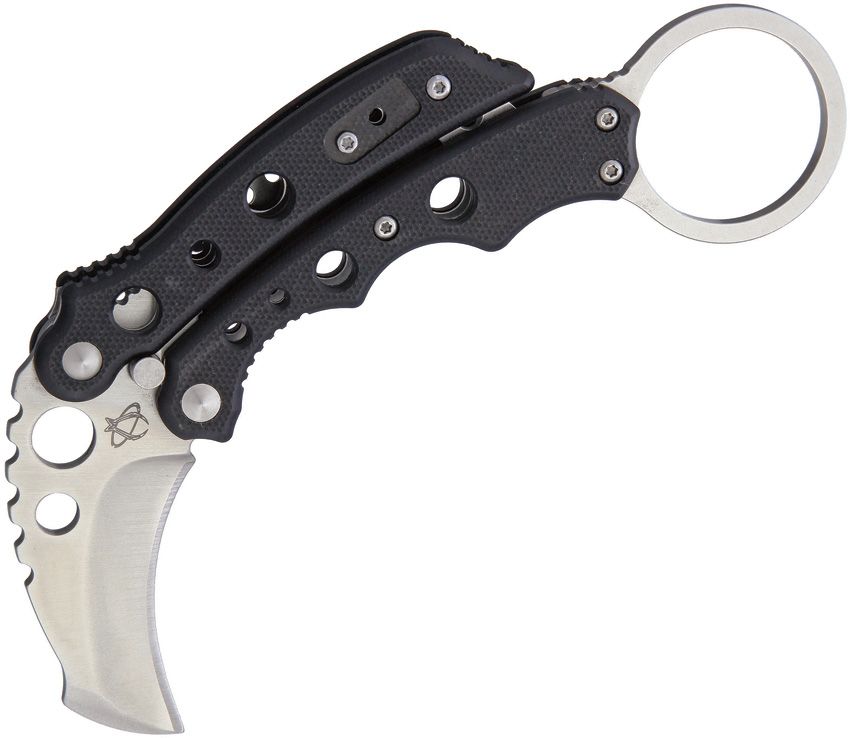
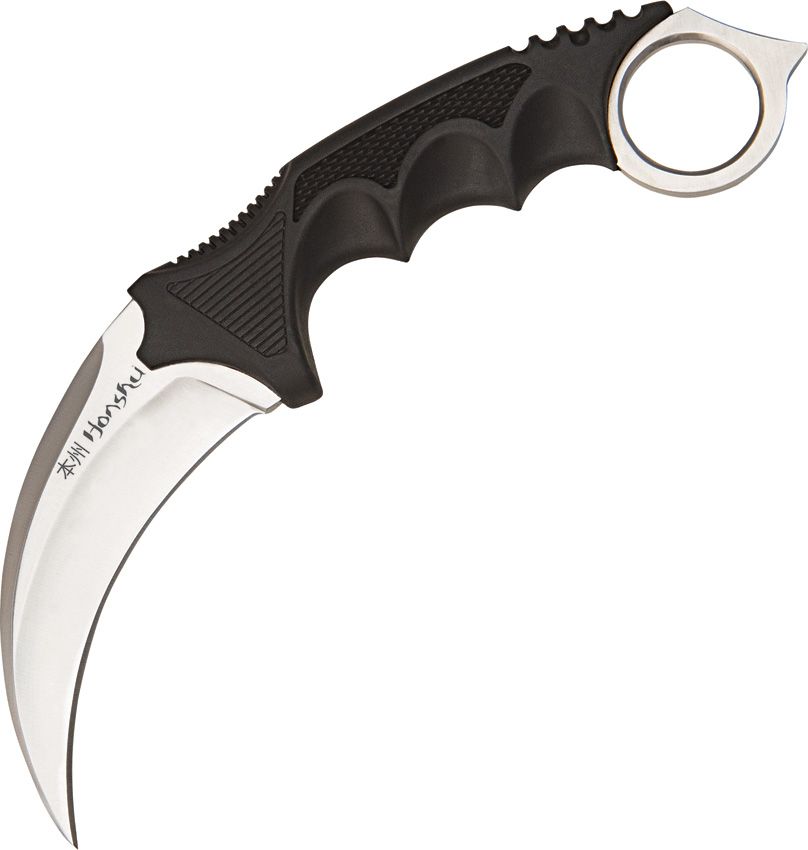
In Germany, karambits are not specifically mentioned in the weapons law, which leads to some legal uncertainty. The legal status of karambits is controversial and can vary from case to case.
Generally, however, karambits that exhibit certain features can be classified as prohibited items. This could be the case if the karambit is designed as a fixed-blade knife with a single-edged blade and a curved handle, which is typical for traditional karambits. Such karambits could be classified as prohibited weapons if the blade is longer than 12 cm. In this case, possession would be allowed, but carrying it would not be.
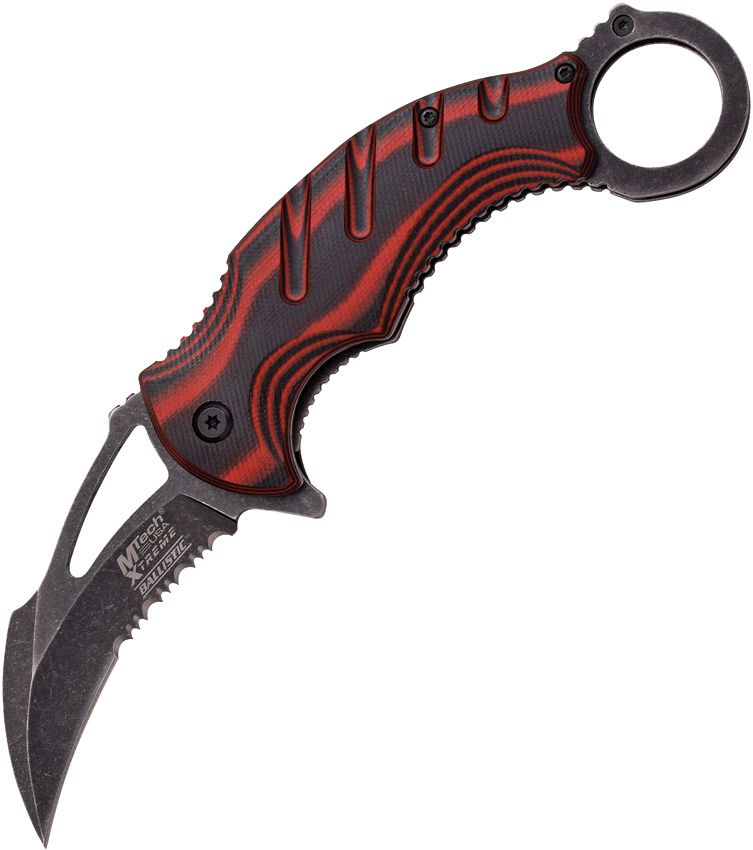
It is important to note that this assessment is not definitive and may depend on the circumstances and the interpretation of law enforcement authorities. There are also karambits on the market that are classified as one-handed knives and comply with the legal requirements for such knives, such as a specific blade length and a non-fixed mechanism.
- Summary
|
Status: |
Allowed |
|
Possession Allowed: |
Yes |
|
Carrying Allowed: |
No |
|
Age Restriction: |
from 18 years |
|
Exceptions: |
legitimate interest, transport in a locked container |
7. Folding knives with two-handed opening / two-hand knives
Acquisition and possession allowed in Germany
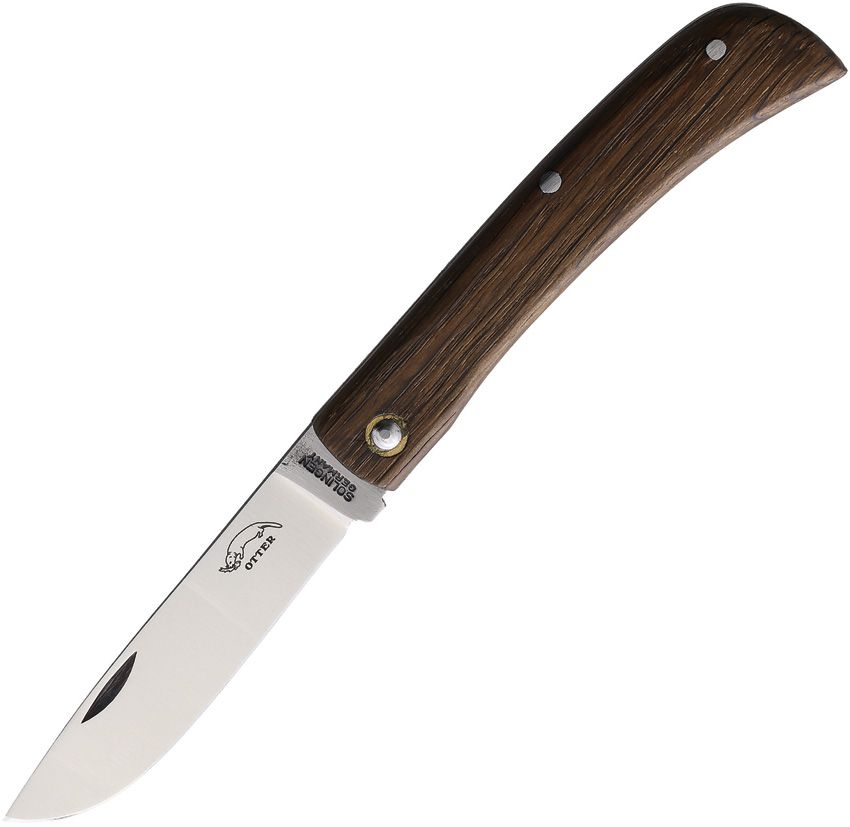
In Germany, it is generally permitted to own and carry two-hand knives. Two-hand knives are folding knives that require both hands to open and close. Unlike one-hand knives with one-handed opening mechanisms like thumb studs or spring assists, two-hand knives are not classified as prohibited items.
It is important to know that carrying two-hand knives may still be prohibited in certain places or situations, such as in specific public buildings or at events with security regulations. It is the individual's responsibility to be aware of and comply with the applicable regulations and restrictions.
- Summary
|
Status: |
Allowed |
|
Possession Allowed: |
Yes |
|
Carrying Allowed: |
Yes |
|
Age Restriction: |
no restrictions |
|
Exceptions: |
- |
8. Folding knives with one-handed opening / one-hand knives
Acquisition and possession allowed in Germany
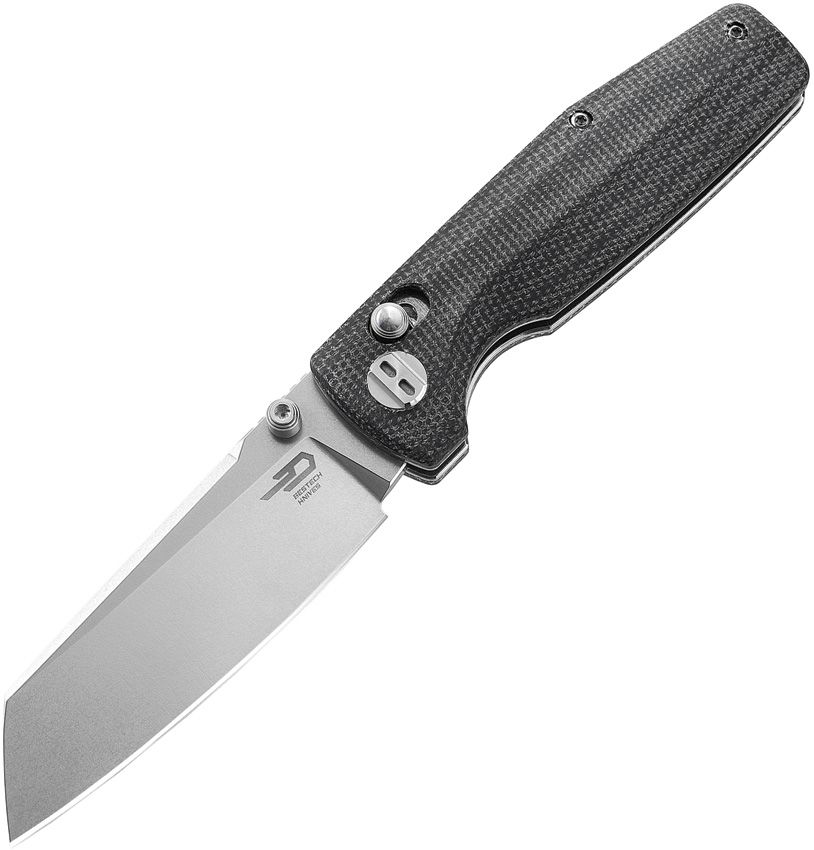
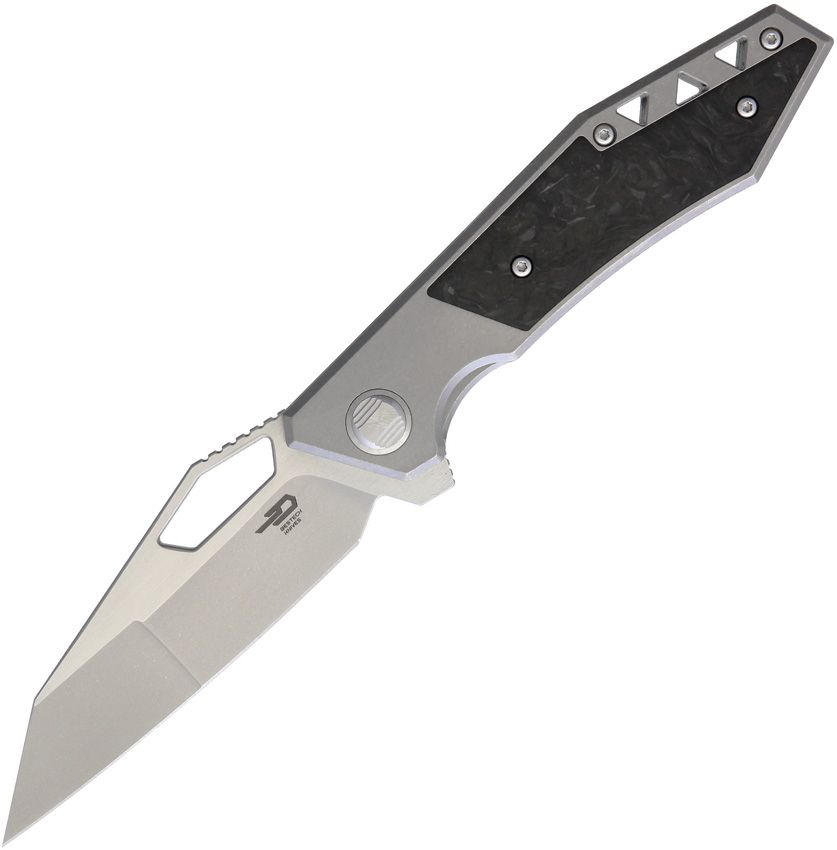
According to the general wording of the law, all pocket knives with a blade that can only be folded after activating a release mechanism are considered pocket knives with blade locking. However, it is important to note that this feature alone does not determine the legality or prohibition status. What matters is a combination of blade locking and the ability to open the blade one-handed. If a pocket knife blade cannot be opened with one hand, it does not matter whether the knife has a blade locking mechanism or not.
The weapons law, specifically the third sentence of paragraph 42a, section 1, explicitly states: "It is prohibited to carry... knives with one-handed locking blades (one-hand knives)..." A pocket knife must have both a locking blade and the ability for one-handed blade opening to fall under this prohibition.
The possession of one-hand knives with blade locking is allowed in Germany for adults. There are no legal restrictions on the number of such knives. This means that acquiring and owning hundreds of such knives is just as legal as actively collecting pocket knives. However, carrying these knives in public spaces, aside from enclosed properties like apartments, single-family homes, or business premises, is prohibited. Even a private property, as long as it does not serve a public purpose, falls under this category, including a garden or a weekend property.
- Summary
|
Status: |
Allowed |
|
Possession Allowed: |
Yes |
|
Carrying Allowed: |
Yes (non-locking) |
|
Age Restriction: |
no restrictions |
|
Exceptions: |
legitimate interest, transport in a locked container |
9. Kitchen knives
Acquisition and possession allowed in Germany
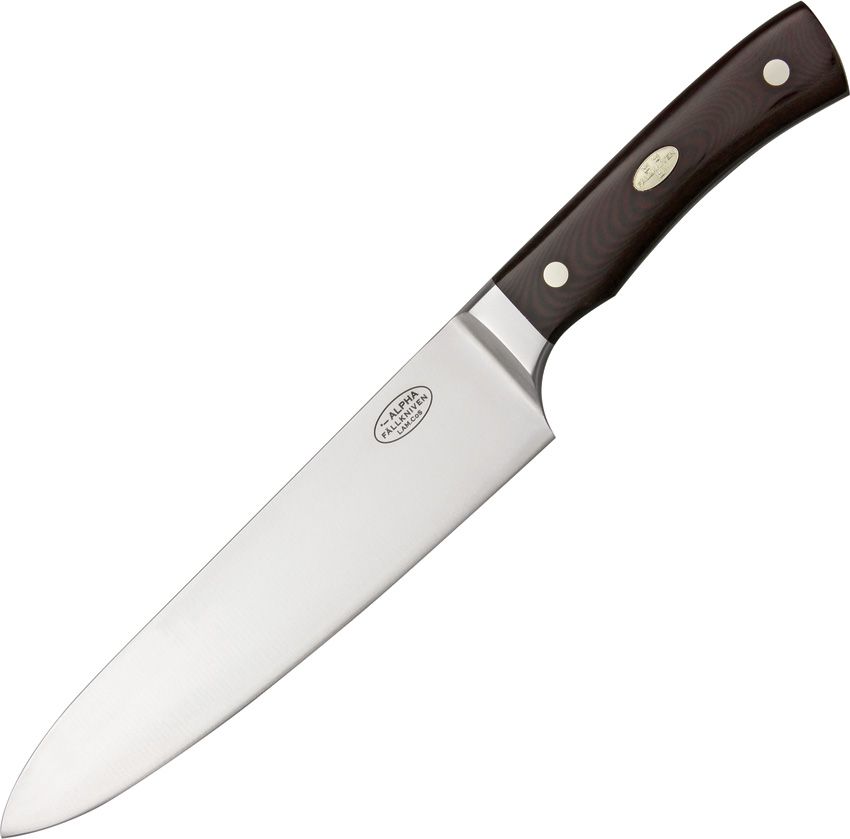
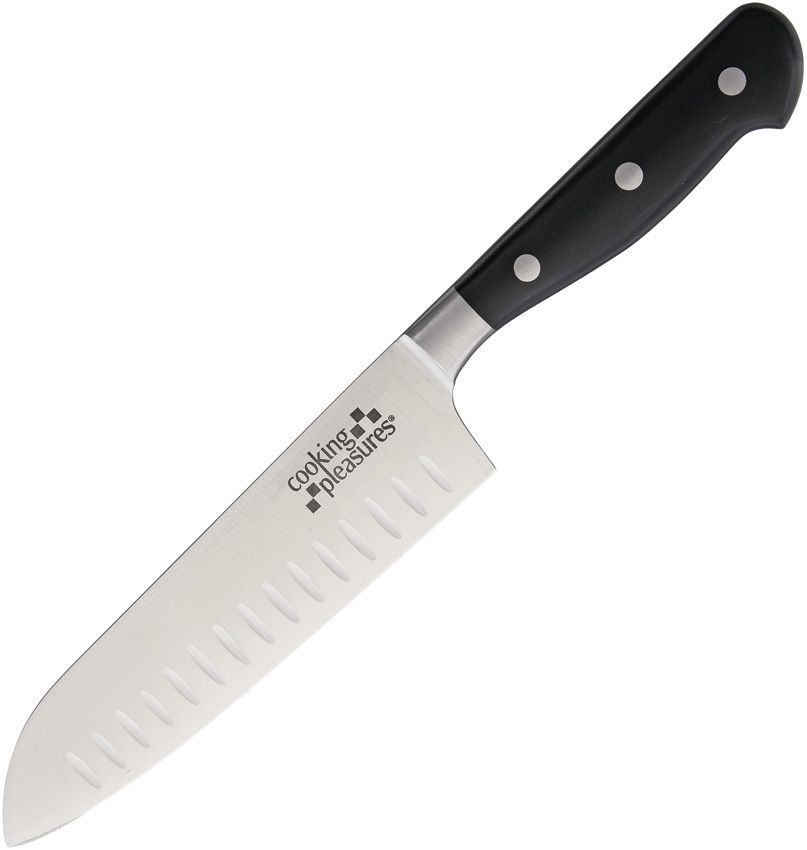
In Germany, kitchen knives are subject to certain legal regulations. In general, the possession of kitchen knives is allowed, while carrying kitchen knives in public is restricted. However, there are exceptions and specific regulations outlined in the weapons law.
Regarding the possession of kitchen knives, there are no specific prohibitions. It is allowed to own kitchen knives and use them in private spaces as long as no other laws or regulations are violated. There is no age restriction for the possession of kitchen knives.
Carrying kitchen knives in public, on the other hand, is not allowed unless certain exceptions apply. These include, for example, knives with a blade length under 12 cm. Carrying kitchen knives is also permitted when it occurs in the context of photo, film, or television recordings or theater performances. Transporting kitchen knives in a closed container, such as a bag or knife block, is also allowed.
Furthermore, carrying kitchen knives is permitted if there is a legitimate interest. A legitimate interest may be related to professional activities, cultural traditions, sports, or a generally recognized purpose. If carrying the kitchen knife serves such a legitimate interest, it is allowed to carry the knife in public.
It should be noted that carrying kitchen knives, despite a legitimate interest, may still be restricted depending on local regulations and individual circumstances. Therefore, it is advisable to check the specific regulations of the respective federal states or cities to ensure full compliance with legal requirements.
- Summary
|
Status: |
Allowed |
|
Possession Allowed: |
Yes |
|
Carrying Allowed: |
Yes(Blade under 12 cm) |
|
Age Restriction: |
18 years and older (blade over 12 cm) |
|
Exceptions: |
legitimate interest, transport in a locked container |
10. Machetes
Acquisition and possession allowed in Germany
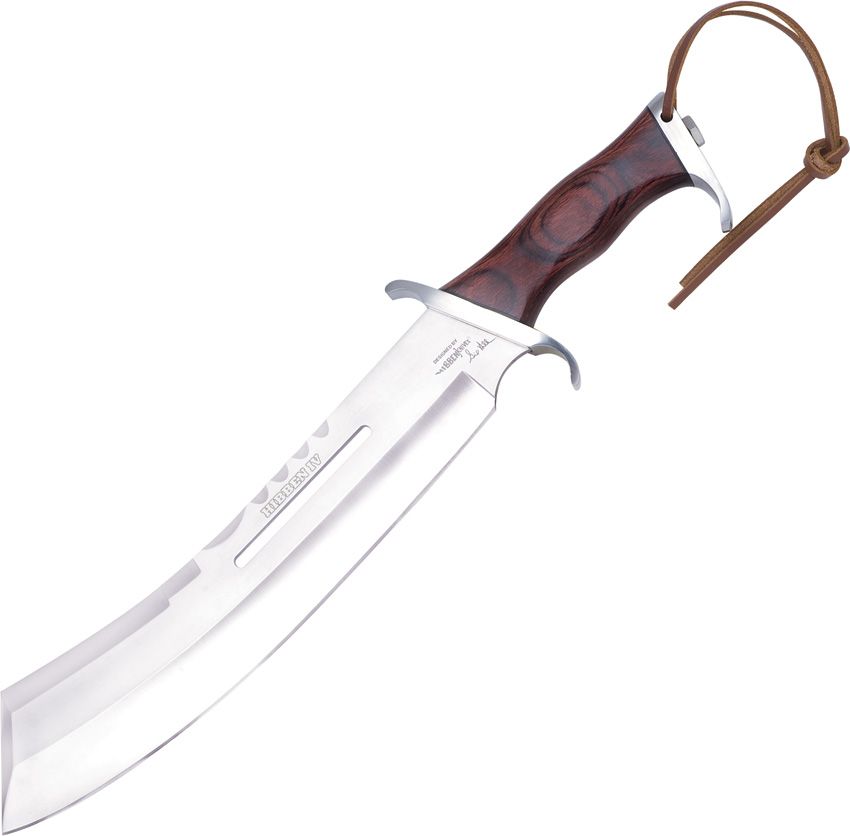
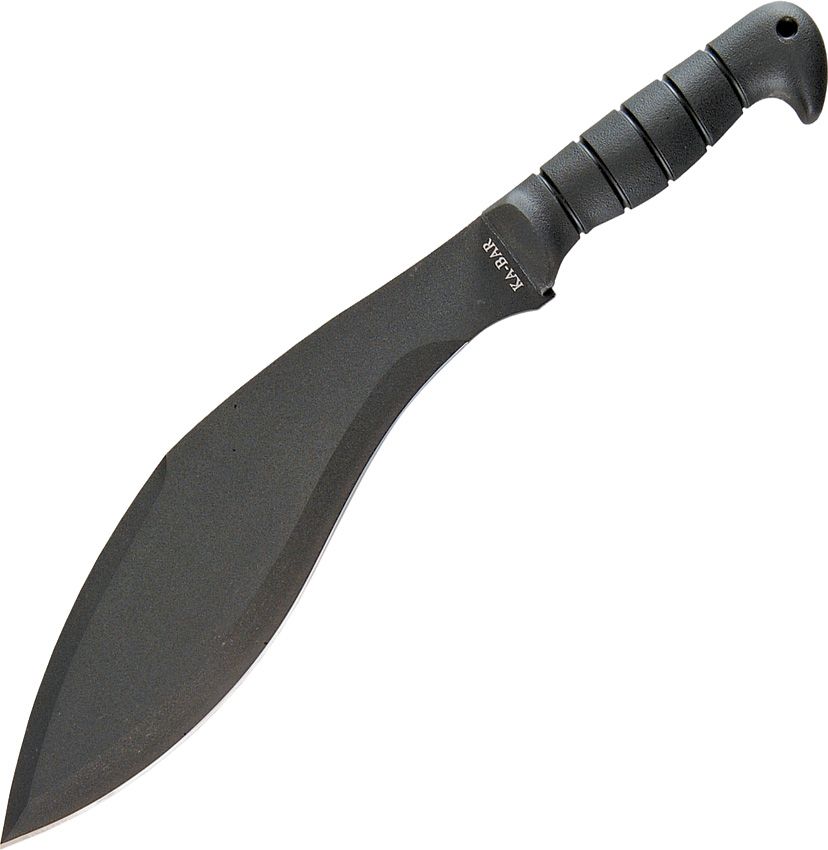
The possession of machetes is generally allowed in Germany. There is no explicit prohibition on owning machetes as long as no other legal provisions are violated. Therefore, one may own a machete as long as they meet the general requirements for weapon ownership, which include a minimum age of 18 years and reliability of the owner.
Carrying machetes in public is generally prohibited. According to § 42a of the Weapons Act, carrying machetes outside of private property, meaning outside of your own land or home, is not allowed. There is a ban on carrying machetes, which means they cannot be openly carried.
However, there are some exceptions to the carrying ban. For one, the ban does not apply when the machete is used for photo, film, or television shoots or theater performances. In this case, the use of the machete is permitted as part of the production.
Furthermore, a machete can also be transported in a closed container. This means it must be securely packaged and not immediately accessible. So, if the machete is stored in a suitable transport bag or case, transport is allowed.
A legitimate interest can also be an exception to the carrying ban. A legitimate interest is particularly present when carrying the machete is related to professional activities, cultural practices, sports, or a generally recognized purpose. Examples of a legitimate interest could be gardening or forestry work where a machete is needed as a tool. However, it is important to note that the legitimate interest will be assessed on a case-by-case basis and is not automatically granted.
- Summary
|
Status: |
Allowed |
|
Possession Allowed: |
Yes |
|
Carrying Allowed: |
No |
|
Age Restriction: |
from 18 years |
|
Exceptions: |
legitimate interest, transport in a locked container |
11. Multitools / Multi-Function Tools
Acquisition and possession allowed in Germany
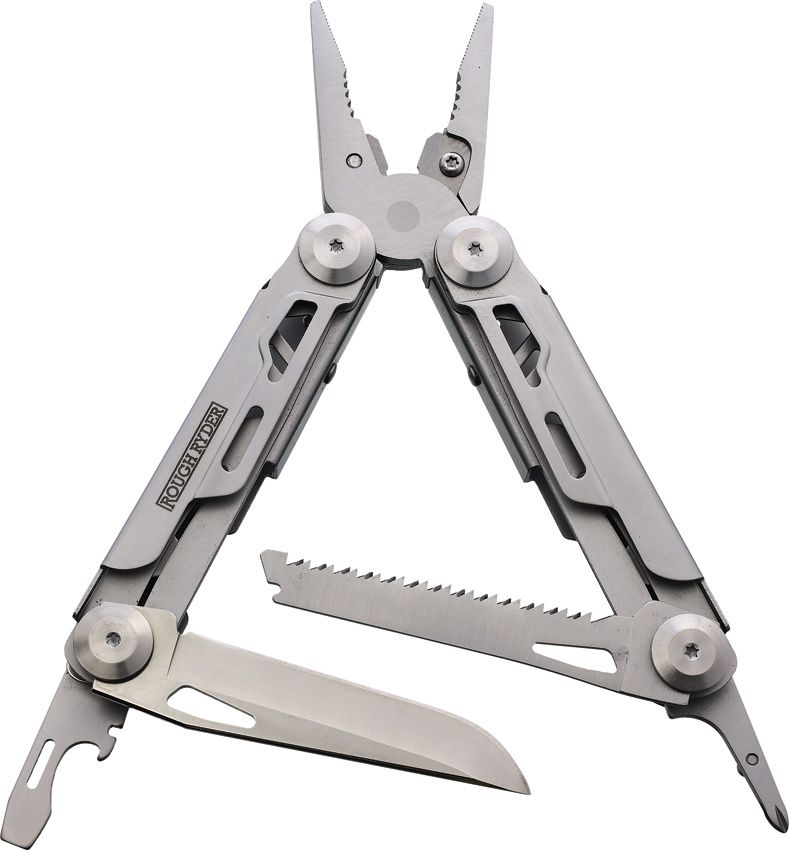
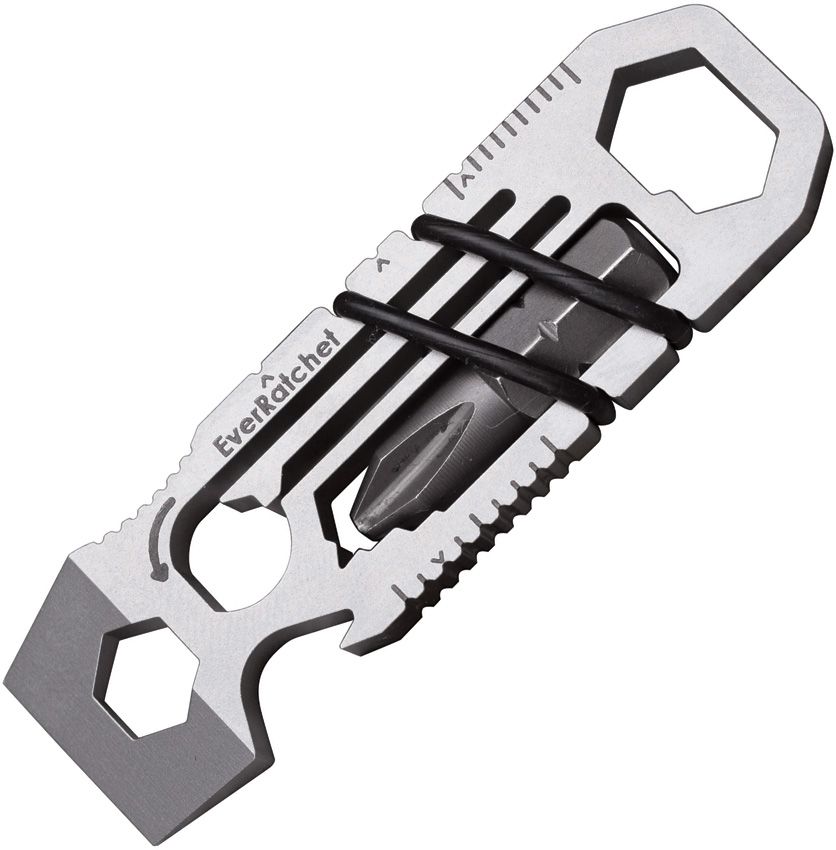
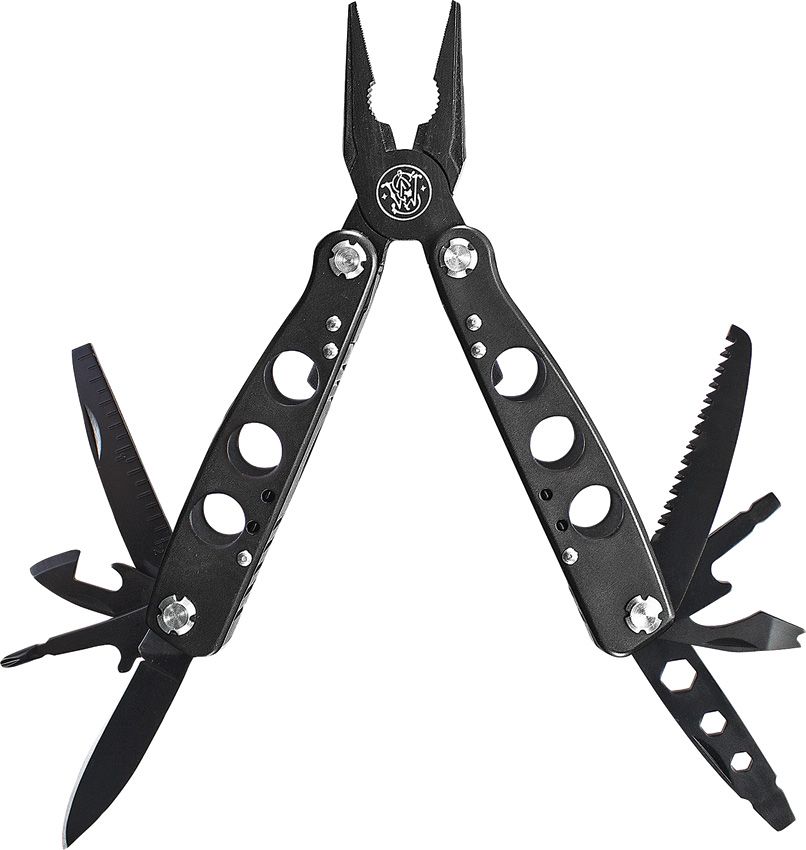
In Germany, there is a specific legal situation for multitools and multi-function knives. These tools are characterized by various functions and tools combined in a compact housing. There are various brands and models of multitools on the market, including well-known manufacturers like Leatherman.
In general, owning multitools is allowed in Germany. This means you can own a multitool and keep it at home without violating any laws. There is no specific age restriction for owning a multitool, so people of all ages can possess such a tool.
Moreover, it is also allowed to carry a multitool in public. This means you can have a multitool with you and use it as long as no other laws or regulations are violated. However, there are some important restrictions to keep in mind.
If a multitool has a blade that is accessible from the outside, can be opened with one hand, and has no locking mechanisms, it is considered a permissible tool. Such multitools are not classified as one-handed knives and therefore are not subject to the restrictions of the Weapons Act.
However, it is important to note that there are also multitools that can be classified as one-handed knives. A one-handed knife is a knife that can be opened and locked with one hand. Carrying such one-handed knives in public is generally prohibited unless certain exceptions apply.
- Summary
|
Status: |
Allowed |
|
Possession Allowed: |
Yes |
|
Carrying Allowed: |
Yes |
|
Age Restriction: |
no restrictions |
|
Exceptions: |
One-Handed Opening with Locking Blade |
12. Neck Knives / Neck Knives / Neck Knives
Acquisition and possession allowed in Germany
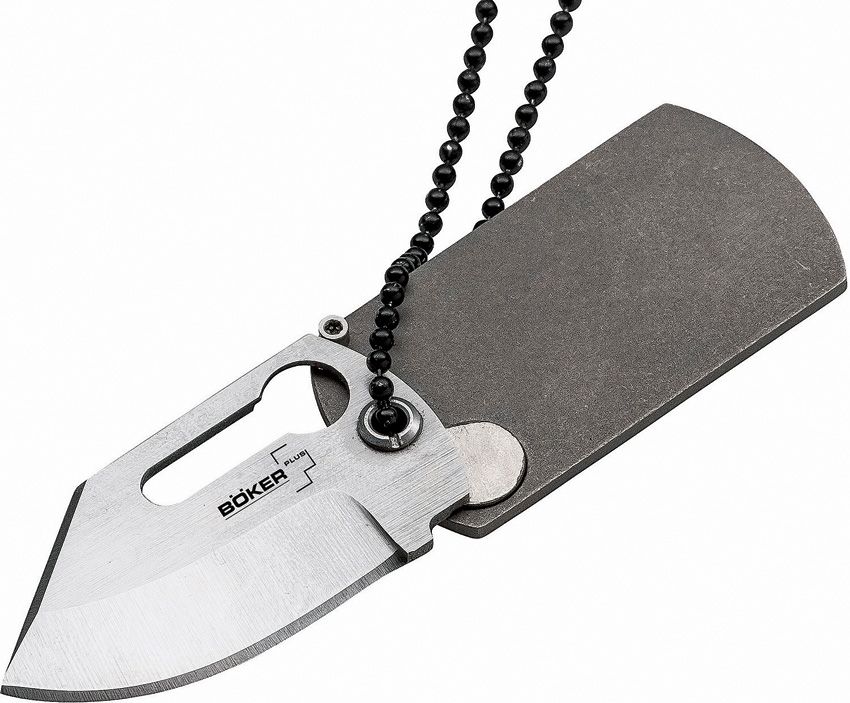
A neck knife is a knife specifically designed to be worn around the neck. It is usually a small, compact knife with a blade length of under 12 cm. The knife is made of continuous steel and is not foldable.
Owning a neck knife is generally allowed in Germany. There are no legal provisions that restrict the ownership of this type of knife. Therefore, you can own a neck knife as long as you do not use it for illegal purposes.
Carrying a neck knife is also permitted. Unlike certain other types of knives, there is no general regulation prohibiting the carrying of neck knives. There is no specific age restriction for owning or carrying neck knives.
- Summary
|
Status: |
Allowed |
|
Possession Allowed: |
Yes |
|
Carrying Allowed: |
Yes |
|
Age Restriction: |
no restrictions |
|
Exceptions: |
- |
13. Razors
Acquisition and possession allowed in Germany
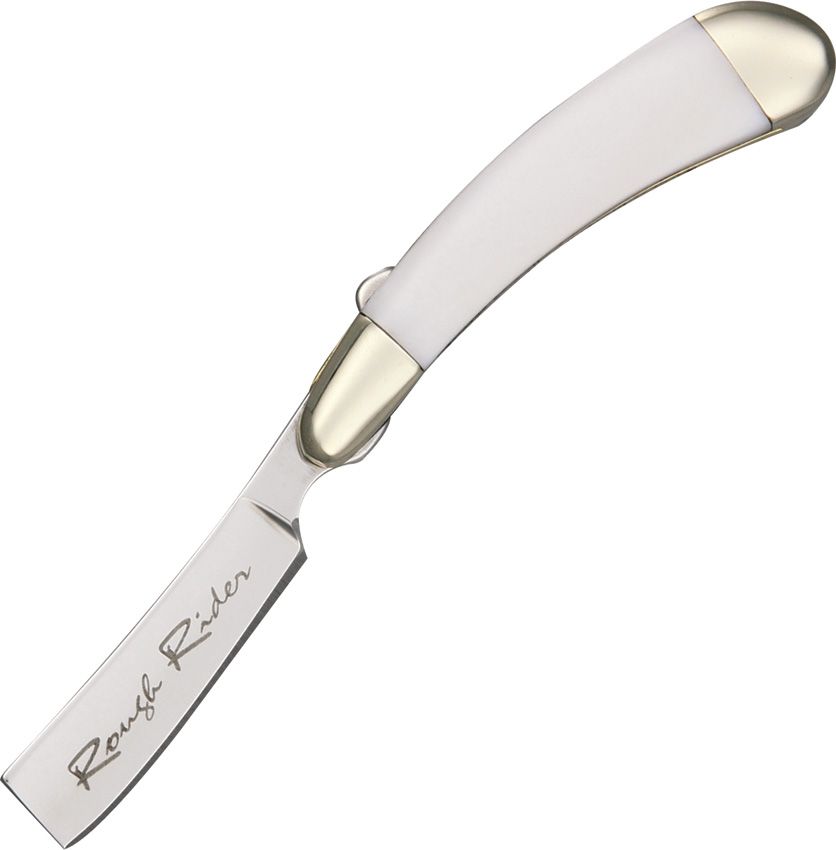
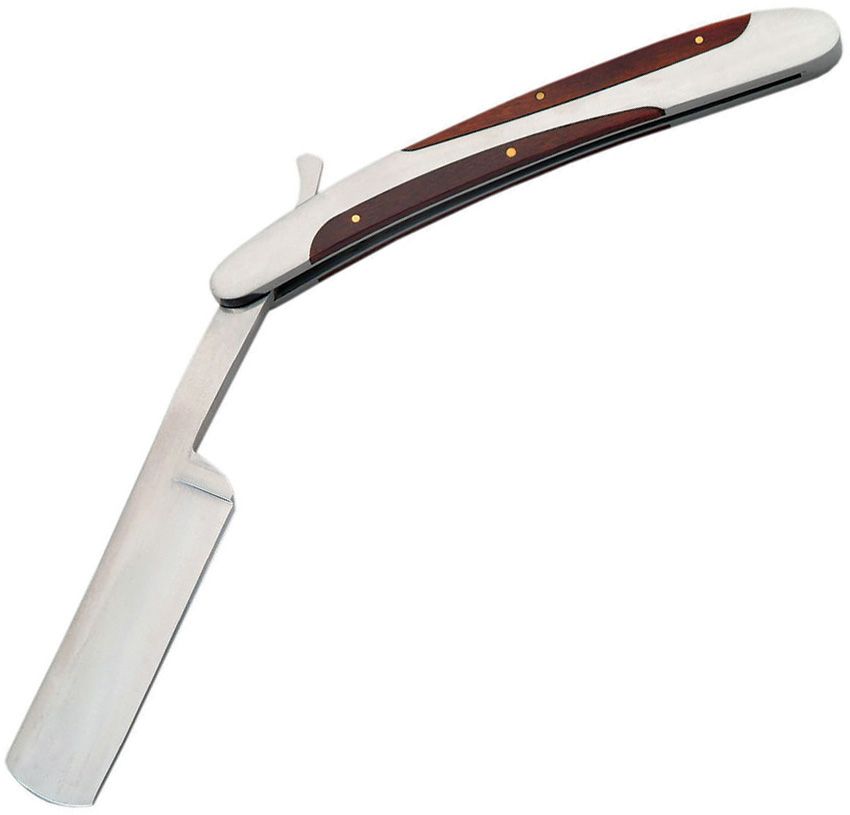
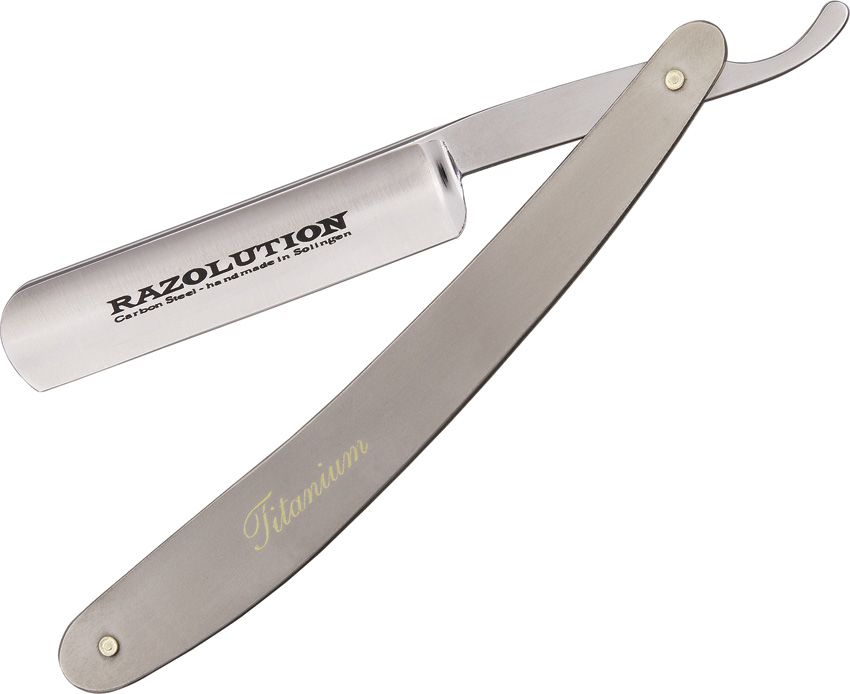
In Germany, there is a specific legal situation for razors with a blade length of under 12 cm. This category includes folding razors that have a blade length below the mentioned threshold.
It is important to note that the blade length of 12 cm plays a crucial role, as razors with longer blades can be classified as weapons and thus fall under the provisions of the Weapons Act.
In the case of razors with a blade length of under 12 cm, owning and carrying such knives is allowed in Germany. There is no age restriction for acquiring or owning these razors. This means that both adults and minors can legally possess such knives.
- Summary
|
Status: |
Allowed |
|
Possession Allowed: |
Yes |
|
Carrying Allowed: |
Yes |
|
Age Restriction: |
no restrictions |
|
Exceptions: |
- |
14. Rescue Knives
Acquisition and possession allowed in Germany
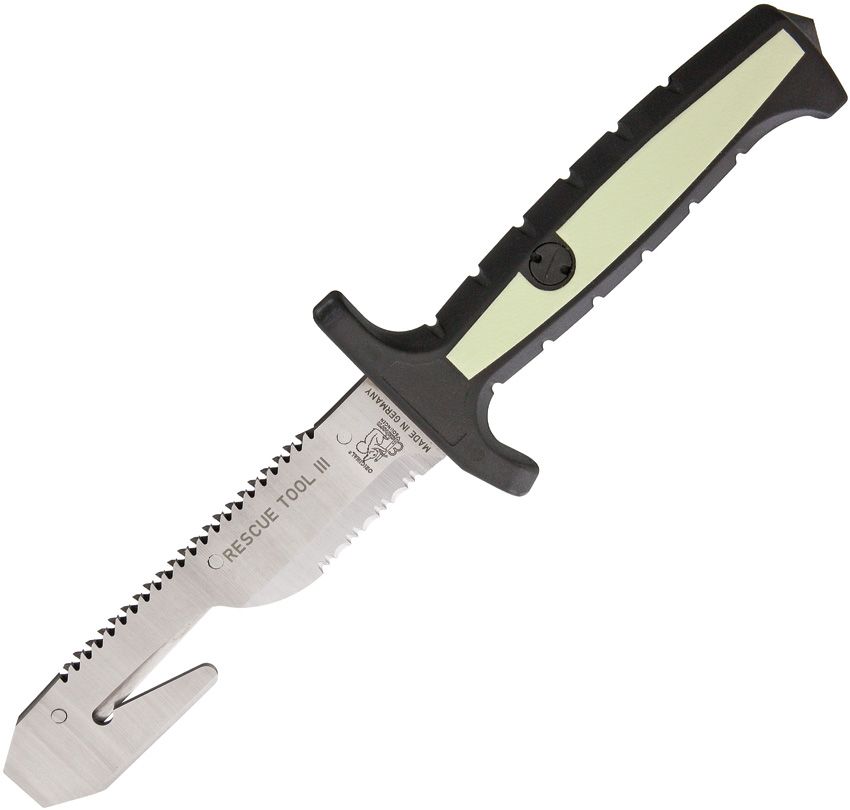
A rescue knife is a special tool used in emergency situations to rescue people from vehicles or other dangerous environments. It is important to distinguish between rescue knives and other types of knives, as rescue knives must have certain features to comply with legal requirements.
According to current legal regulations, rescue knives are not prohibited in Germany. This means you can own and carry them. There is no age restriction for owning or carrying rescue knives. This distinguishes them from other types of knives, which typically have a minimum age for ownership or carrying.
For a knife to be classified as a rescue knife, it must have specific features. It must have a straight, continuous back that tapers towards the blade. Instead of a sharp and pointed tip, the tip must be rounded and blunt. Additionally, the rescue knife must have a hook-shaped edge in the front part behind the rounded blade tip. The edge of the knife must be curved and should not be longer than 60% of the blade length. In the rear area of the edge, a serrated grind must be present.
It is important to note that the mentioned features must be met for a knife to be considered a rescue knife and comply with legal requirements. Knives that do not exhibit all these features may not be regarded as rescue knives and may be subject to other legal regulations.
It is advisable to ensure that a rescue knife meets the above requirements when purchasing it to avoid potential legal consequences. It is also important to keep in mind that carrying knives in public can be restricted in certain situations. In sensitive areas such as schools, airports, or public events, security regulations may apply that prohibit or restrict the carrying of knives.
- Summary
|
Status: |
Allowed |
|
Possession Allowed: |
Yes |
|
Carrying Allowed: |
Yes |
|
Age Restriction: |
no restrictions |
|
Exceptions: |
missing features of a rescue knife |
15. Knuckle knives / knives with knuckle grips
Acquisition and Possession Prohibited in Germany
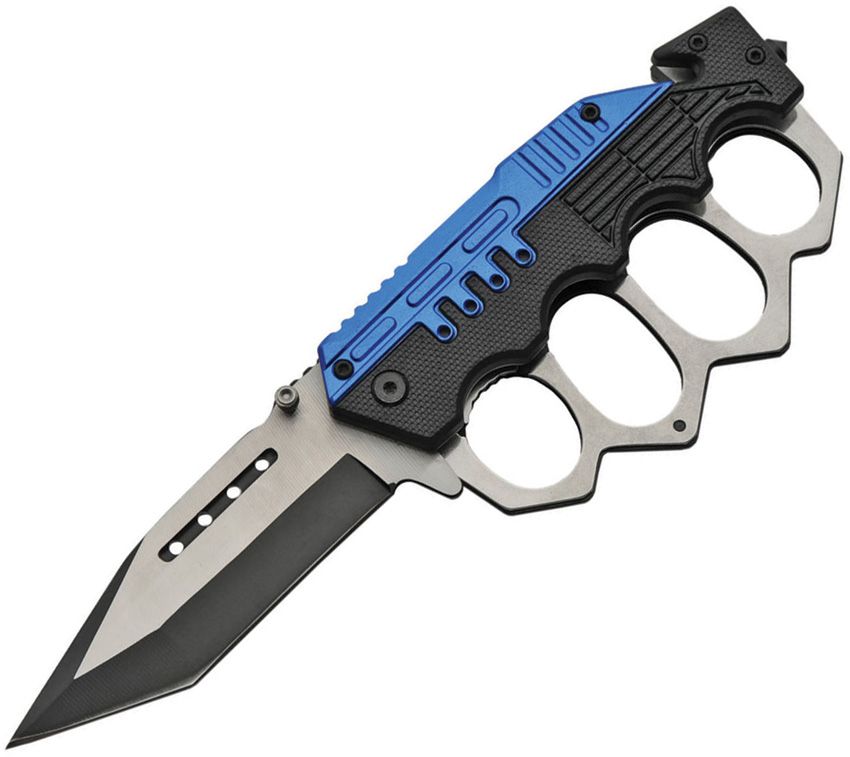
In Germany, knuckle knives and knives with knuckle grips are generally prohibited. Carrying, possessing, and selling such items is punishable under German weapons law (WaffG).
According to § 2 paragraph 3 WaffG and Annex 2 Section 1 No. 1.3.3 WaffG, knuckle knives are classified as prohibited weapons. This means that both acquisition and possession are banned.
Similarly, knives with a knuckle grip are classified as prohibited weapons under Annex 2 Section 1 No. 1.4.2 WaffG. Again, possession, carrying, and acquisition are prohibited.
- Summary
|
Status: |
Prohibited |
|
Possession Allowed: |
No |
|
Carrying Allowed: |
No |
|
Age Restriction: |
none |
|
Exceptions: |
- |
16. Switchblades / automatic knives
Acquisition and Possession Prohibited in Germany
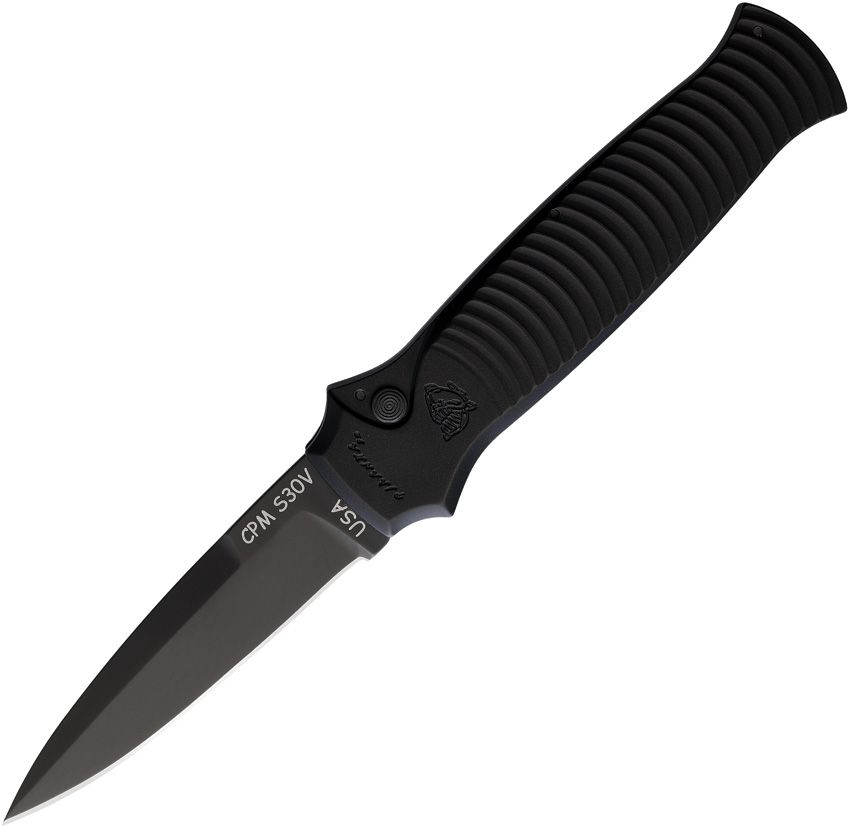
Since the amendment of the German Weapons Act on October 31, 2024, switchblades are generally considered prohibited items. This means that acquisition and possession of such knives are typically no longer allowed for private individuals. Blade length or design is irrelevant - even switchblades that were previously permissible under certain conditions are now included in the ban. Prior to this, switchblades with a blade that opens rapidly were already generally prohibited.
Exceptions only exist in narrowly defined legal special cases. Legal possession is only possible if there is a legitimate interest, such as a necessity for one-handed use due to a physical limitation or in a professional context, for example, for certain activities of rescue or emergency personnel. Without such an acknowledged exception, possession remains punishable.
- Summary
|
Status: |
Prohibited |
|
Possession Allowed: |
No |
|
Carrying Allowed: |
No |
|
Age Restriction: |
none |
|
Exceptions: |
legitimate interest |
17. Stiletto
Acquisition and possession allowed in Germany
A stiletto is a dagger with a triangular or square blade. It is a type of knife often used as a collector's item or decorative piece. There are no prohibitions regarding possession in Germany, meaning one can legally own a stiletto.
However, carrying a stiletto in public is not allowed. Carrying refers to having the knife outside of one's home or other private spaces. There are some exceptions for specific situations:
Use in photo, film, or television shoots or theater performances: If the stiletto is used for such purposes, for example, as a prop in a stage performance or in a film, carrying it is permitted.
Transport in a closed container: If the stiletto is stored in a closed container, such as a locked bag or suitcase, transport is allowed.
Legitimate interest: Carrying a stiletto may be permitted if there is a legitimate interest. A legitimate interest may relate to professional activities, cultural practices, sports, or a generally recognized purpose. However, it is important to note that legitimate interest is assessed on a case-by-case basis and judged by local authorities or the police.
Additionally, there is an age restriction for owning a stiletto. In Germany, one must be at least 18 years old to possess a stiletto.
- Summary
|
Status: |
Allowed |
|
Possession Allowed: |
Yes |
|
Carrying Allowed: |
No |
|
Age Restriction: |
from 18 years |
|
Exceptions: |
legitimate interest, transport in a locked container |
18. Throwing knives
Acquisition and possession allowed in Germany
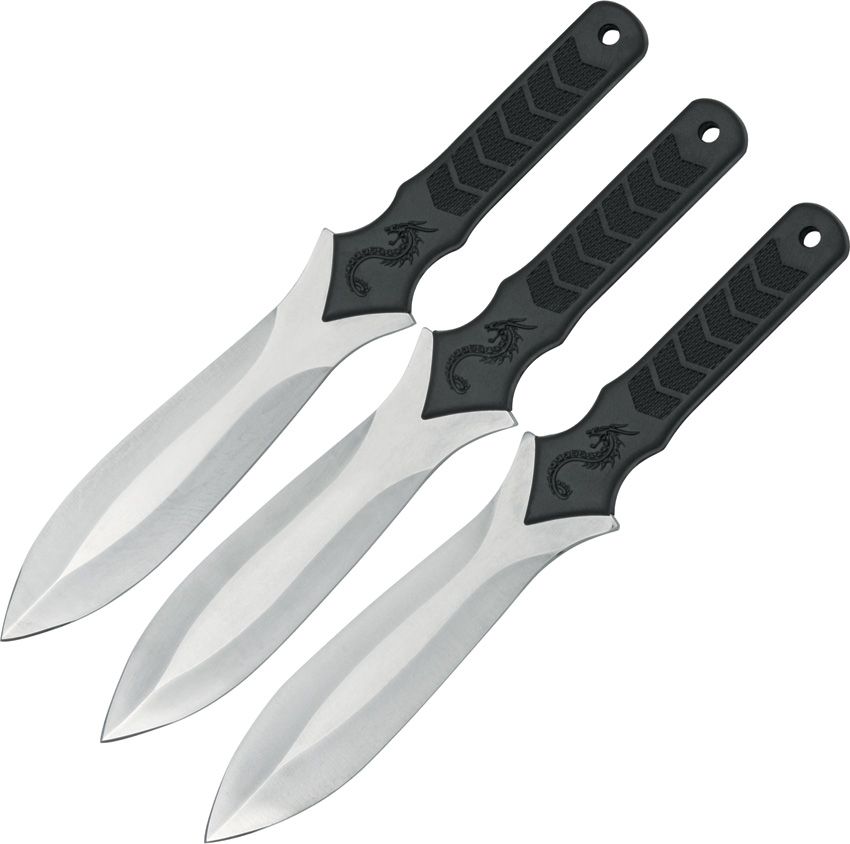
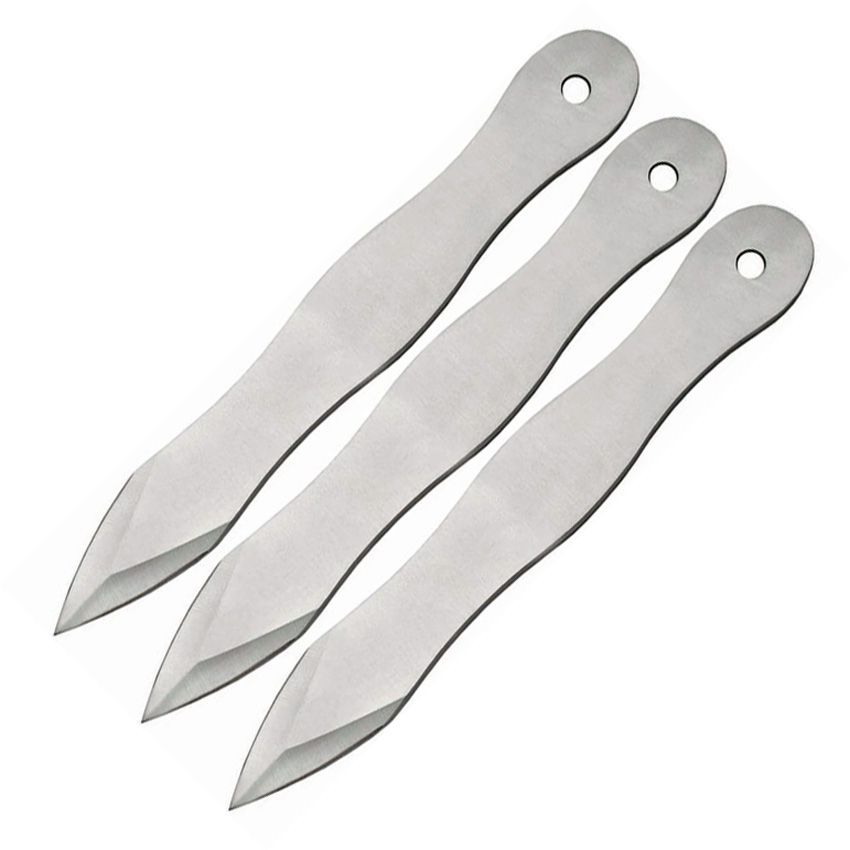
It is legal to own throwing knives. There are no specific prohibitions on the possession of throwing knives in Germany. However, it is important to note that the possession of weapons is generally subject to weapons legislation. This means that certain provisions and regulations must be followed for the acquisition and possession of weapons.
Carrying throwing knives in public is not allowed in Germany. The weapons law regulates the carrying of weapons and defines them as "dangerous tools." Since throwing knives can be considered weapons, they are subject to the provisions of the weapons law. Carrying throwing knives in public without appropriate permission can lead to criminal consequences.
Carrying and possessing throwing knives in Germany is restricted to individuals aged 18 and over. Minors are not allowed to acquire or carry throwing knives as they are not of legal age, and the weapons law prohibits this.
- Summary
|
Status: |
Allowed |
|
Possession Allowed: |
Yes |
|
Carrying Allowed: |
No |
|
Age Restriction: |
from 18 years |
|
Exceptions: |
single-edged blade (rules for fixed knives apply) |